The Undated Work from Home Planner Template: A Blueprint for Organized Remote Living
The Missing Structure in a Familiar Environment
Working from home dissolves the physical walls between professional obligation and personal sanctuary. The kitchen table hosts morning stand-ups, the spare bedroom moonlights as a conference room, and the afternoon coffee break can inadvertently bleed into a load of laundry. This spatial ambiguity often creates a cognitive fog: tasks pile up without the container of an office routine, and priorities shift without the visual cues of a cubicle whiteboard or a manager’s hallway reminder. A Work from Home Planner Template inserts intentional structure into an otherwise boundaryless day. It acts not merely as a list holder, but as a psychological anchor—reminding you that the workday has a shape, even when the walls don’t cooperate.
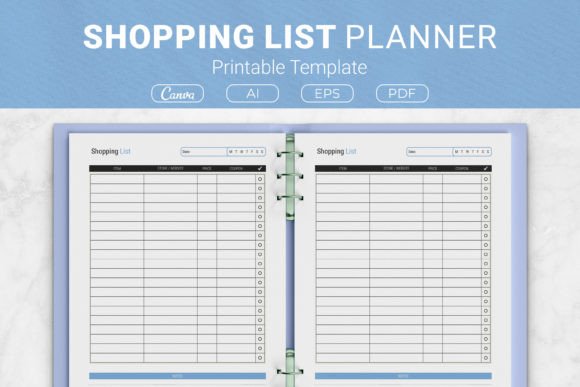
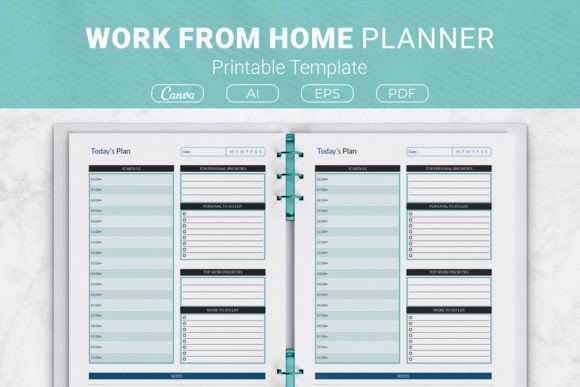
Many remote workers initially rely on sticky notes, digital to-do apps, and scattered reminders. Those methods lack the coherence that a single-page daily or weekly overview provides. The planner template excels by grouping top priorities and to-do items into two distinct domains: personal and professional. This split isn’t just cosmetic; it reinforces the necessary compartmentalization that prevents work stress from permeating dinner time or personal errands from derailing a focused sprint. When you glance at the Work from Home Planner Template, you immediately see both worlds side by side, making it easier to negotiate trade-offs and protect non-work hours.
Top Personal Priorities and the Power of Intention
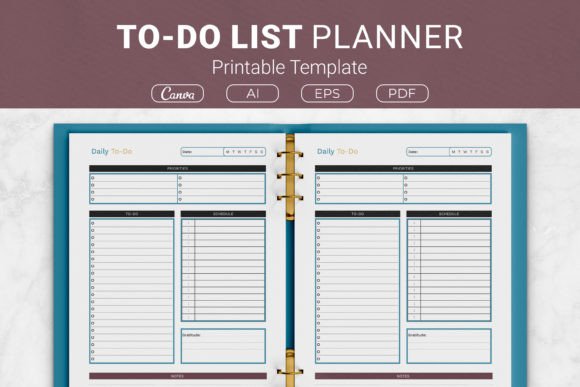
The template opens a dedicated space for your top personal priorities. This is not a full list of chores; it’s a place to note the one or two personal commitments that matter most on a given day—perhaps a 20-minute meditation, a call to a family member, or finishing an online course module. By surfacing these alongside work goals, the planner makes self-care and life maintenance visible, elevating them from neglected afterthoughts to non-negotiable items. Research on goal-setting shows that writing down specific intentions increases follow-through, and the simple act of labeling something a “priority” primes the brain to protect that activity.
Personal To-Do List: Chunking Life Admin
Below priorities sits a broader personal to-do list. It captures errands, household fixes, health appointments, and anything else that lives outside your job description. The segregation of this list prevents the mental tangle of mixing “buy groceries” with “draft quarterly report.” Instead of letting personal tasks ambush your work focus, you can batch them during designated breaks or before and after core working hours. Even seeing them written down reduces the anxiety of forgetting something important, clearing cognitive bandwidth for professional challenges.
Top Work Priorities: Filtering the Signal from the Noise
On the professional side, the Work from Home Planner Template similarly highlights top work priorities. In an environment where a dozen emails can create a false sense of urgency, naming the one or two projects that truly move the needle combats reactive busyness. This section prompts a morning ritual: ask “If I accomplish only two things today, what must they be?” That reflection aligns daily effort with quarterly goals and long-term deliverables. Many remote employees find that without a manager’s physical presence, they default to shallow, easy tasks. The priorities slot counteracts that drift by anchoring the day in meaningful, high-impact action.
Work To-Do List: Holding the Operational Details
The accompanying work to-do list offers room for all the smaller tasks—reply to client feedback, review analytics, prepare slides for Thursday’s meeting. This space can accommodate a bulleted list or time-blocked items. Because the priorities are already defined, you can approach this list with a more strategic eye: which supporting tasks directly serve the top priorities? That linkage transforms a simple checklist into a tactical roadmap. You’re not just doing things; you’re doing the right things in the right sequence.
The Schedule and Notes: Anchoring Time and Capturing Insight
A schedule section, often designed as an hourly or half-hourly breakdown, lets you map reality onto intention. It’s one thing to list a priority; it’s another to reserve a specific time slot for it on a crowded day. The schedule becomes a contract with yourself. Next to it, a notes area serves as a flexible spillover for ideas, meeting takeaways, or even a brief end-of-day reflection. Undated by design, the template doesn’t force you to use every section if the day doesn’t require it, but having the space ready catches insights that might otherwise evaporate.
Undated Architecture: Freedom Within a Framework
A static dated planner assumes you will use it every single weekday without interruption. Life doesn’t work that way—some weeks you’re traveling, others you’re sick, and many remote workers adopt a four-day rhythm rather than a strict Monday-to-Friday block. The Work from Home Planner Template circumvents waste by leaving date lines blank. You fill in the date when you need it, not when the calendar says you should. This undated flexibility makes the planner a year-round companion. You can skip a day, print a fresh sheet for an unusually busy Wednesday, or batch-print five pages before a hectic launch week—no guilt, no wasted paper.
Beyond practicality, an undated template encourages a mindset of conscious daily choice. Each morning, you actively date the page, marking the start of your focused period. This small ritual signals to your brain that the work mode is engaged, much like punching a time clock in a traditional workplace. Over time, the simple fill-in-the-date action becomes a conditioned cue for productive behavior.
Multifaceted Formats for a Hybrid World
The template is distributed in a variety of file formats and sizes, which expands its utility far beyond a single user’s desk. The package includes editable Ai Illustrator files (open source), EPS files for professional design software, ready-to-print PDFs, and even a link to Canva templates. This collection means you can adapt the planner to your visual taste without starting from scratch. Change fonts, shift colors, add your company’s logo, or create a version for a bullet‑journal hybrid. For Kindle Direct Publishing enthusiasts, the planner interior is a ready‑made asset for publishing bound books under your own brand. The availability of US Letter, A4, 7.5x9.25 inches, and 6×9 inches formats ensures compatibility with most home printers, binders, and KDP trim sizes.
A Tool for the Diverse Face of Remote Work
The remote workforce is not a monolith. It includes freelancers juggling multiple clients, full-time employees adjusting to hybrid models, stay‑at‑home parents running side businesses, and students navigating online courses. Each group finds a slightly different rhythm in the Work from Home Planner Template.
- Freelancers often use the work priority slots to track billable deliverables and the personal to‑do list to manage invoices, marketing, and professional development. The schedule helps them block client calls back‑to‑back and preserve deep‑work windows.
- Remote employees benefit from the visual split between personal and work. Without this, small personal tasks (booking a doctor’s appointment) can infiltrate a morning stand‑up meeting. The planner reaffirms that during designated work hours, professional responsibilities hold the floor.
- Stay‑at‑home parents repurpose the work sections for home‑based business tasks or volunteering coordination while the personal side captures family routines. The notes area becomes a log of children’s activities, grocery inventories, or self‑care reflections.
- Students treat top work priorities as academic assignments and the personal list as extracurricular or social commitments. The schedule maps classes, study blocks, and breaks, mimicking a campus timetable in a home environment.
This breadth of application demonstrates the template’s underlying principle: separating domains of life reduces cognitive load. When you can glance at a single sheet and distinguish instantly between what belongs to your employer, your family, and yourself, you’re less likely to experience that draining sense of being “always on.”
Customization Without Complexity: The Canva and Print Advantage
A common friction with planners is feeling locked into someone else’s design. The included Canva template link removes that barrier. Even someone with zero graphic design experience can tweak colors, move sections, or add a motivational quote. The undated nature makes it safe to experiment—you’re not invalidating a pre‑printed date range. You can also print the PDF directly at home, punch holes, and slip it into a binder. This manual tangibility creates a tactical experience that screen‑based apps can’t replicate. The physical act of writing by hand has been linked to improved memory encoding and slower, more deliberate thinking. When you scrawl “finish proposal draft” under top work priorities, you engage the body in the planning process, which often leads to higher commitment.
Using the Template as a KDP Planner Interior
For self‑publishers on Kindle Direct Publishing, a high‑quality interior is crucial. The Work from Home Planner Template meets KDP’s technical requirements and is provided in multiple sizes, including the popular 6×9 inch format. This means you can create a professionally styled paperback planner, insert your own branding, and list it on Amazon. The sections are already laid out with a balanced visual hierarchy, so you’re not starting from a blank page. Authors typically complement the daily planning pages with introductory guided reflection pages or habit trackers, but the core daily spread remains the engine of the book. Because the template is undated, customers receive perpetual value, which can improve reviews and reduce returns. This repurposing adds a revenue‑generating dimension to a tool primarily designed for personal productivity.
Integrating the Planner into a Sustainable Routine
Adopting a new planning habit can falter if you try to overhaul your entire morning too aggressively. Start by printing a single week’s worth of pages. Place one on your desk each evening for the next day, so it’s the first thing you see when you sit down. Fill out only the top priorities section at first; don’t pressure yourself to populate every field. After a few days, the automaticity kicks in—you’ll start craving the clarity that a filled‑out schedule brings. Many users find that the notes section spontaneously becomes a gratitude log or a “what worked today” journal, deepening the planner’s emotional hold.
Consider pairing the planner with a weekly review. Spend 15 minutes on a Sunday looking back over the past week’s pages. Notice which priorities kept reappearing unfinished. That pattern might reveal an overloaded list or a procrastination trigger. Adjust next week’s goals accordingly. The undated template makes this iterative refinement possible without any calendar collision.
Why a Paper Planner Wins in a Digital Age
Skeptics might argue that a digital calendar or project management app can do the same thing. While those tools are excellent for collaboration and reminders, they often contribute to notification fatigue. Switching from a task app to a chat message to an email window fragments attention. A single physical sheet, however, sits outside the interruption stream. It doesn’t ping, buzz, or tempt you with a news feed. Its quiet presence keeps your priorities visually anchored without demanding cognitive resources. The Work from Home Planner Template harnesses that analog calm, while still being flexible enough to be digitized through the included AI and EPS files—so you can even import it into a tablet note‑taking app and use a stylus if you prefer a hybrid approach.
Adapting the Layout for Niche Needs
Beyond the obvious career paths, hobbyists and creative professionals find clever adaptations. A freelance artist might rename “top work priorities” to “creative deep‑work,” listing pieces to complete. The personal to‑do list becomes a supply inventory or marketing task for an Etsy shop. An educator working from home can transform the schedule into class blocks and the notes area into student feedback snippets. Because the template doesn’t come pre‑labeled with corporate jargon, it remains a blank canvas for any domain where focus and boundary setting matter. Entrepreneurs, particularly solopreneurs, often use the dual‑priority system to balance business development (work) with health and relationship maintenance (personal)—a common struggle in the startup world.
Printing and Physical Organization at Home
Home printing often gets undervalued. The A4 and US Letter PDFs are formatted for standard paper trays, and the 7.5×9.25 inch size fits half‑size binders that don’t dominate a small desk. You can build a simple system: use a three‑ring binder with tabs for each month, and store printed pages there. The act of filing a completed page into the binder creates a tangible record of progress. Over time, flipping back through filled‑out planners reveals seasonal patterns—maybe your energy dips in mid‑February or your personal to‑do list swells around holidays. This self‑knowledge becomes a strategic asset. The Work from Home Planner Template transforms from a daily tool into a long‑term personal performance archive, all without a subscription fee or cloud account.
Sustaining Motivation Through Visual Feedback
One underappreciated advantage of a paper planner is the immediate visual payoff of crossing off a task. That small dopamine hit reinforces the habit loop. The template’s partitioned structure amplifies this by enabling you to see accomplishments across life areas simultaneously. At the end of a day, a quick scan shows you’ve honored a personal priority, chipped away at home errands, and advanced your top work goal. That holistic view counters the end‑of‑day sensation that “I was busy but didn’t get anything important done.” The notes section can capture a one‑sentence win, further cementing a sense of progress. Over months, this practice builds an internal narrative of competence and balance, which is especially valuable for remote workers who miss the social validation of an office.