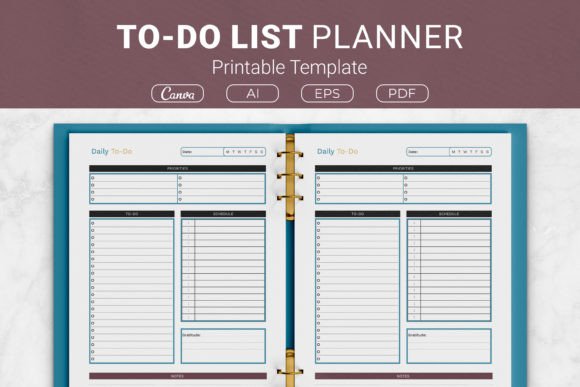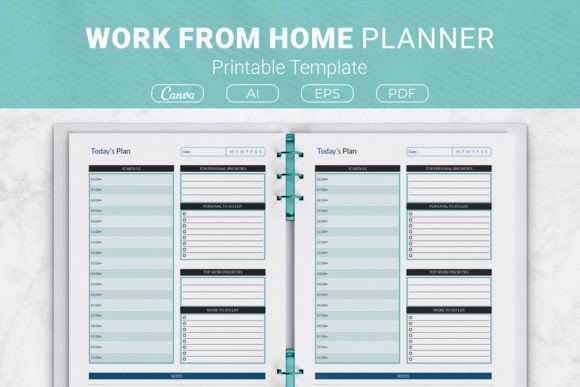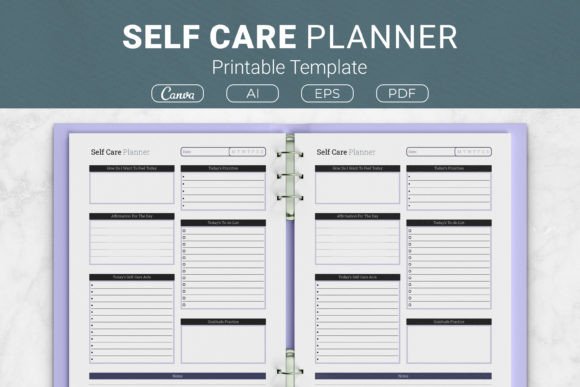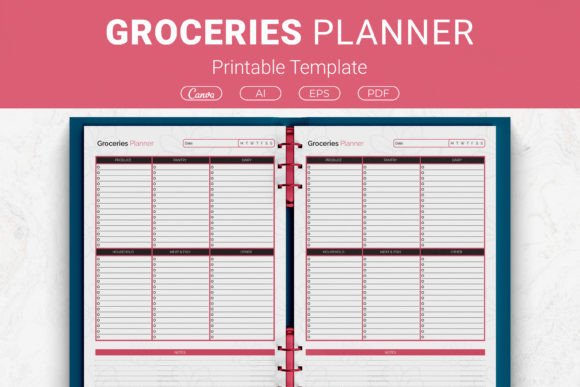
Shopping List Planner Printable Template: A Practical Evaluation for Organized Spending
Understanding the Shopping List Planner Printable Template
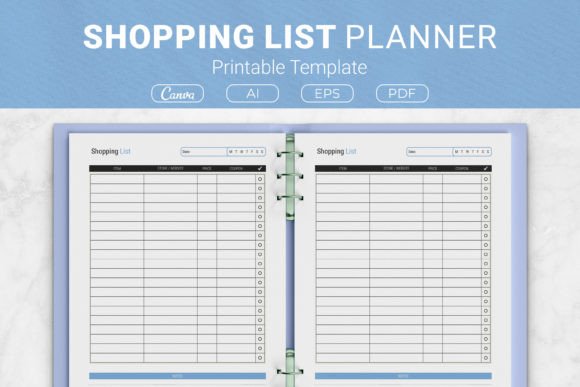
The Shopping List Planner Printable Template is a structured, ready-to-print document designed to bring order to the often chaotic task of managing household purchases. At its core, it is a multi-column table that prompts users to record more than just item names. Alongside the product description, there are dedicated spaces for noting the store or website, tracking the listed price, logging available coupons, and adding general notes. This layout transforms a basic grocery list into a small-scale financial planning tool.
Available in several popular sizes—including US Letter, A4, 7.5 x 9.25 inches, and 6x9 inches—this template is designed to fit into various organizational systems. The package includes editable source files like Ai Illustrator and EPS formats, ready-to-print PDFs, and a link to a Canva template for those who prefer cloud-based customization. Its versatility extends to personal home use and commercial applications, as it is suitable for Kindle Direct Publishing (KDP) interiors. The underlying premise is straightforward: by planning purchases with greater visibility into cost and discounts, shoppers can reduce impulse buying and make more intentional decisions.
Why Shoppers Seek Out Structured Planning Tools
Many people turn to a planner like this because mental lists and scattered sticky notes fail under the weight of modern shopping complexity. Households often juggle multiple store flyers, digital coupons, loyalty program points, and fluctuating online prices. Without a central document, it becomes difficult to compare options accurately or remember which discount applies where. A template that consolidates this information addresses a genuine pain point—the mental fatigue of keeping track of too many variables.
Another driver is the desire for financial clarity. When every purchase is documented with its expected price before leaving the house or clicking "checkout," it becomes much harder to overlook a subscription overcharge or a sneaky price increase. Some individuals also find value in archiving completed lists. Over time, these records can reveal spending patterns, seasonal price fluctuations, and frequently purchased items, making future budget forecasting more accurate. The Shopping List Planner Printable Template appeals to those who believe that visibility is the first step toward control.
Key Features and Their Practical Value
Analyzing the template's specific columns reveals its practical intent. The inclusion of a store website column is particularly useful for shoppers who split their purchases across brick-and-mortar stores and online retailers. It eliminates the confusion of arriving at a physical store only to realize a listed price was actually an online-only special. The price column serves as a built-in audit mechanism, encouraging users to verify shelf prices against their recorded expectations.
The dedicated coupon field shifts couponing from an afterthought to an integrated part of planning. Rather than digging through a drawer or an unorganized email folder at checkout, users can note the coupon value and conditions alongside the item. This can reduce checkout stress and prevent the disappointment of realizing a coupon has expired or does not apply to the specific product variant in the cart. The notes section offers flexibility—it could hold details about size preferences, acceptable substitutes, meal planning connections, or reminders about why a particular brand is preferred.
Assessing the Benefits and Potential Tradeoffs
The primary benefit of adopting a structured shopping list is the potential for cost savings through informed comparison. When prices are recorded before shopping, it becomes natural to notice if a so-called "sale" at one store is actually higher than the regular price at another. This template also supports better organization for those who shop less frequently but in larger volumes, as it reduces the likelihood of forgetting critical items that could necessitate an extra trip.
However, there are tradeoffs to consider. The level of detail required by this template may feel burdensome to individuals who thrive on simplicity. Filling out price and coupon fields for every item takes time, and for a quick midweek milk run, this process could be viewed as overkill. The template's greatest strength—its thoroughness—can also be its weakness for users whose shopping habits are more spontaneous or for those who primarily shop at a single store with predictable pricing. In such scenarios, the extra columns may remain unused, turning a helpful tool into a source of mild guilt or clutter.
Another consideration involves the format itself. While the availability of editable source files is a major advantage for those comfortable with design software, users who lack access to programs like Adobe Illustrator may rely primarily on the PDF version or the Canva link. The Canva option lowers the barrier to customization significantly, but it still requires an internet connection and some basic familiarity with the platform. For someone seeking a completely offline, pen-and-paper-only solution, the learning curve for digital editing is irrelevant as long as the printable PDF meets their needs.
Situations Where This Template Is a Strong Fit
The Shopping List Planner Printable Template aligns well with several distinct user profiles. Individuals actively working to reduce their grocery bills through strategic couponing will find the dedicated coupon column invaluable. It encourages a pre-shopping ritual of matching coupons to planned purchases, which is often the difference between casual coupon clipping and substantial savings. Those managing a household budget with multiple stores in rotation can use the store website and price columns to make quick, data-driven decisions about where to buy each item.
This template also excels for KDP authors and digital product creators. The commercial rights and multiple file formats allow for seamless integration into printable planner bundles, meal planning kits, or household organization journals. The range of sizes—from full-page US Letter to a compact 6x9 format—makes it adaptable for different book interiors. For personal users who enjoy building a custom home management binder, the template is a plug-and-play component that can be paired with meal planners, budget trackers, and inventory sheets.
Another strong fit involves seasonal or event-based shopping preparation. Planning for holiday meals, birthday parties, or back-to-school supplies often involves a longer list with variable pricing across retailers. Using this template in advance can help spread out purchases over time, capitalizing on early sales and reducing last-minute premium pricing. The notes field becomes particularly useful in these contexts for indicating guest preferences, dietary restrictions, or specific product codes.
When Alternatives May Be Worth Considering
Despite its clear utility, the template may not be ideal for every shopper. Those who primarily use a single store with a consistent loyalty program might be better served by that store's proprietary app, which can automatically apply coupons and track past purchases. The manual effort of maintaining a separate printed list could feel redundant when an app already offers a running total and digital coupon clipping.
Shoppers who prefer real-time collaborative lists with family members may find a printed template limiting. Digital solutions like shared note apps or dedicated grocery list applications allow multiple people to add items simultaneously and check them off in real time, which can be more practical for busy households. The Shopping List Planner Printable Template is inherently a personal or single-user tool unless multiple copies are printed and synchronized manually.
Those who shop very frequently and in small quantities may also find the template's structure excessive. If the typical shopping trip involves grabbing a handful of items on the way home, the prep time required to fill out all columns may not justify the modest efficiency gains. In these cases, a simpler checkbox list or a basic notes app could provide sufficient organization without the overhead.
Customization Potential and Personalization Strategies
One of the template's notable strengths lies in its customizability. The inclusion of Ai, EPS, and Canva files means users are not locked into the default column headers or layout. For example, someone focused on meal planning could duplicate the template and rename the coupon column to "Meal Category" or "Recipe Reference." A user tracking pantry stock levels could repurpose the price column for inventory counts. This adaptability extends the template's useful life beyond standard shopping list functions.
The Canva template link is particularly significant for non-designers. It allows for drag-and-drop editing, color changes, and font adjustments without requiring any installed software. Users can add branding, adjust line spacing for handwriting comfort, or create multiple themed versions for different purposes. The commercial rights also open the door for entrepreneurs to offer customized planner packs to niche audiences, such as shoppers focused on specific diets, subscription box enthusiasts, or small business owners tracking supply purchases.
Making a Thoughtful Selection Decision
Deciding whether the Shopping List Planner Printable Template deserves a place in your organizational toolkit comes down to a few honest self-assessments. Consider whether you regularly compare prices across multiple retailers. If the answer is yes, the template's comparative structure will likely save you money and mental energy. Reflect on your relationship with coupons—do you collect them but forget to use them, or find yourself scrambling to locate them at checkout? The built-in coupon prompt could be a game-changing behavioral nudge.
Think about your preferred shopping rhythm. If you plan your purchases in advance, perhaps on a weekly or biweekly cadence, you will have natural opportunities to sit down with the template and fill it out thoughtfully. If your style is more impulsive or needs-driven, you might end up ignoring the printed sheet in favor of convenience, which could lead to frustration. The template rewards preparation and punishes neglect in equal measure.
Also weigh the value of tangibility. For some, physically writing a list and crossing off items provides a satisfaction that digital tools cannot replicate. Holding a printed sheet while walking through store aisles can feel more focused than glancing at a phone screen amid notifications. If you find that screen-based lists distract you or lead to unintended scrolling, a paper template creates a clear boundary between planning and browsing. Ultimately, the decision rests on whether the structure supports your natural habits or imposes friction that will cause you to abandon the system.