Puzzle Book Interior Design for Impact
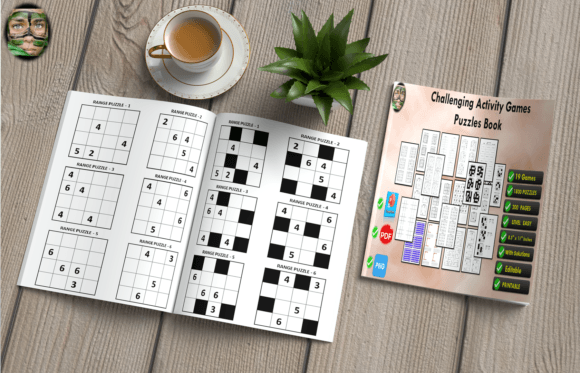
A challenging activity games puzzles book is far more than a simple compilation of brain-teasers. For graphic designers, independent publishers, and low-content business owners, it’s a masterclass in structuring visual information. The interior layout must guide the eye, reduce cognitive load, and make every page feel immediately intuitive. When you consider that a ready-to-upload KDP interior like this one spans 200 pages of tested, print-ready puzzles, the value of a professionally crafted design becomes undeniable. Every element—from the grid systems behind Tic Tac Toe grids to the typography that anchors Hangman puzzles—needs to work in harmony, creating a seamless user journey from the first page to the solution section.
Why Visual Hierarchy Matters in Puzzle Books
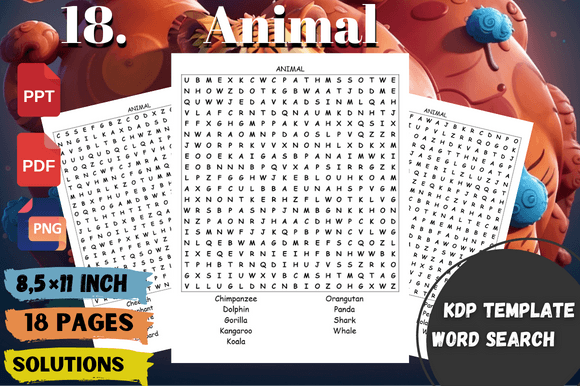
In editorial design, visual hierarchy is what separates a polished, high-quality product from a cluttered one. When a solver opens your activity book, they shouldn’t have to hunt for instructions or decode clumsy layouts. A well-designed interior uses contrast, scale, and spacing to establish a clear reading path. For example, Sudoku grids and Kakurasu puzzles instantly benefit from a structured grid with generous margins, while word-based games like ABC Path or Word Puzzles rely on crisp, legible typography. A carefully planned typography system—perhaps a clean sans-serif for titles and a readable serif for clues—subtly reinforces professionalism and keeps solvers engaged for hours.
Print-ready files optimized for KDP, especially a no-bleed 8.5" x 11" format, demand exacting consistency. Page numbers, puzzle titles, and intricate patterns must sit perfectly within the margins. This attention to detail mirrors the precision of brand identity work: just as a logo must scale across business cards and billboards, every puzzle cell must maintain its integrity across all 200 pages. The result is an interior that feels cohesive, building trust and encouraging those five-star reviews.
From Skyscraper Logic to Typography: Unifying Diverse Puzzles
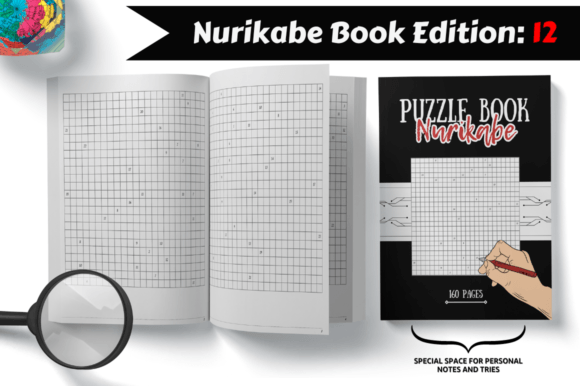
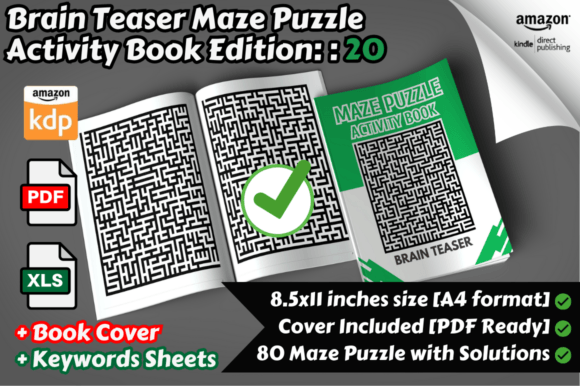
The biggest design challenge in a multifaceted puzzle book is unifying radically different game types. You might have the compact symmetry of a Shikaku puzzle right next to a sprawling Maze or a mathematical Calcudoku. Design solves this through a consistent grid system and a unified color palette—even if your interior is purely black and white, the weight of lines and the spacing around boxes create a visual “color.” By using a modular approach, you can adapt each puzzle’s unique needs while maintaining a familiar rhythm.** Nurikabe and Hitori, for instance, both use shaded cells, but a smart layout differentiates them through subtle icon cues and heading hierarchy, preventing confusion without breaking the overall aesthetic.
For digital marketing and social media graphics, snippets of these beautifully arranged puzzles can serve as powerful advertising assets. High-resolution interiors mean that a screenshot of a Mine Finder grid or a Tic Tac Toe Logic challenge will look crisp on Instagram stories or Amazon listings, instantly signaling quality to potential buyers. This is where visual design feeds directly into branding—your interior becomes your product’s best spokesperson.
Practical Tips for Using a Print-Ready Puzzle Interior
While the file delivery (PDF, PPT, PNG) is ready to upload, understanding the design’s flexibility helps you leverage it across creative projects. Here’s how to make the most of this asset without compromising its integrity:
- Maintain the grid. The no-bleed setup ensures nothing gets cut off during printing. If you modify the file, always check the safety margins, especially for puzzles like Warship or Range that use edge-to-edge logic.
- Respect the typography. The font choices likely balance readability and space. Changing them arbitrarily can break the visual hierarchy and frustrate users used to certain character shapes in Number Place or Math Equation grids.
- Use the PNGs for more than KDP. High-resolution puzzle images can become digital products, membership site content, or even part of an app prototype’s UI. In UI design and wireframing, clear screenshot-friendly puzzles save hours of mockup creation.
- Test print before finalizing. Even with a tested interior, your printer’s settings can vary. A quick physical proof ensures that the Kalkurosu numbers and Tic Tac Toe tokens are crisp, aligning with a premium brand image.
Why Structural Consistency Builds Trust
Puzzle solvers are a discerning audience. They quickly notice if Maze paths are misaligned, Sudoku boxes have inconsistent stroke weights, or the Hangman gallows look pixelated. A pre-formatted, 200-page interior that’s been formatted and tested specifically for KDP offers something manual layout often misses: absolute consistency. This reliability translates directly to user experience (UX). When every answer section for a Skyscraper puzzle appears in the same location, users form a comfortable habit, and their satisfaction increases. In the world of print design, that habitual comfort is the equivalent of a seamless digital checkout flow—it reduces friction and increases perceived value.
Business owners using low-content books for passive income will recognize this as a branding asset. The interior becomes your signature. Even if you’re offering a range of niche puzzle books, adhering to a well-structured interior template trains customers to expect a certain quality. They’ll be more likely to purchase your other titles, from mazes to sudoku, because they trust the layout won’t disappoint.
Adapting the Interior for Social Media and Marketing
Your print-ready files aren’t just for Amazon. High-resolution pages can be dropped into mockups for social media graphics, boosting your marketing materials without extra design work. Imagine a lifestyle shot of the open book, showcasing a tricky Nurikabe challenge, or a short video flipping through the crisp grids of Four in a Row. This repurposing maximizes the initial design investment and feeds your digital marketing pipeline with authentic, product-focused visuals.
When creating ads, maintain the original visual hierarchy—don’t overlay too much text on the puzzle image, as it can distract from the clean lines that make the product appealing. Instead, use the puzzle as a background element cut out against a solid brand color, letting the intricate patterns speak for themselves. This is a lesson straight from UI design: great content often needs minimal embellishment.
A thoughtfully composed challenging activity games puzzles book interior does more than fill pages. It embodies solid graphic design principles that elevate a simple KDP product into a trusted, marketable asset. Every grid line, every numeral placement, and every whitespace decision contributes to a solver’s delight—and your bottom line. By investing in a well-tested, high-resolution interior, you’re not just publishing puzzles; you’re crafting an experience that stands out on a crowded digital shelf.