Strategic Positioning with the Nurikabe Puzzle Book for KDP Part 05
Publishing a puzzle book on Amazon KDP isn't simply about uploading a file and waiting for sales. It's a product launch in a competitive category, and the choices you make about your interior content, presentation, and optimization determine whether your book finds its audience or disappears into the marketplace. The Nurikabe Puzzle Book for KDP Part 05 represents a specific type of publishing asset—one that combines a ready-to-use interior with supporting marketing tools—and understanding how to deploy it thoughtfully can shape your results more than the puzzles themselves.
This isn't a magic solution. It's a resource that rewards intentional planning. The publishers who benefit most from this type of asset are those who treat it as a component within a larger strategy rather than a standalone product. Let's walk through what this particular puzzle book offers, where it fits into a publishing plan, and how to approach it with the kind of clarity that leads to better decisions and more consistent outcomes.
What the Nurikabe Puzzle Book for KDP Part 05 Actually Contains
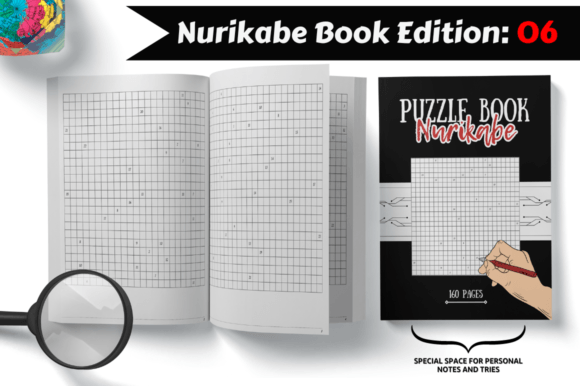
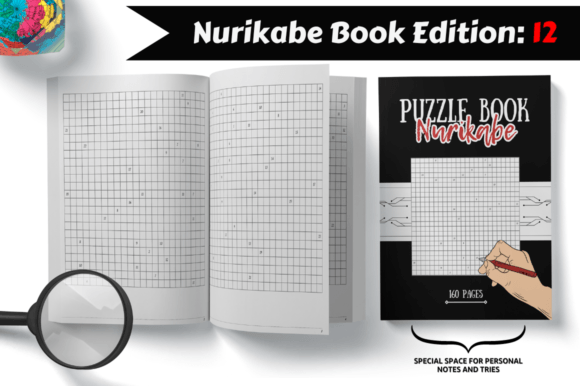
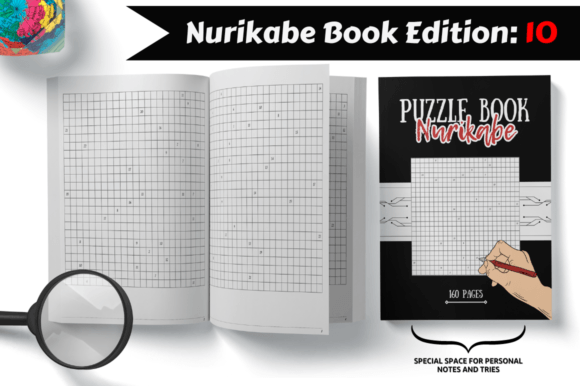
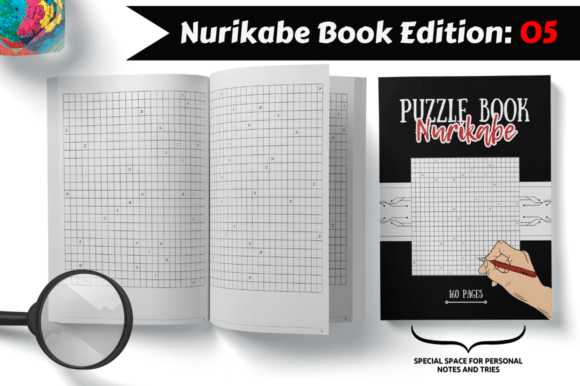
Before discussing strategy, it's worth understanding what you're working with. This asset includes a 160-page interior file formatted at 8.5 by 11 inches—a standard trim size that prints clearly and provides ample space for puzzle grids. The interior splits evenly between 80 pages of Nurikabe puzzles and 80 pages of solutions, giving the book a balanced structure that respects the solver's experience. A matching cover design file is also included, along with an Excel spreadsheet containing curated keywords for KDP listing optimization.
For the uninitiated, Nurikabe is a logic puzzle where players determine which cells in a grid should be shaded and which should remain white, guided by numerical clues that dictate the size of each white "island." The rules are simple to learn but generate puzzles that range from gentle warm-ups to genuinely demanding logical sequences. The puzzle type has a dedicated following, and because it's less ubiquitous than Sudoku or crosswords, it can appeal to solvers looking for something distinctive.
The "Part 05" designation suggests this belongs to a series, which is strategically significant. Series publishing on KDP creates natural cross-promotion opportunities and can build a brand presence over time. If you've already published Parts 01 through 04, this release extends your catalog and gives existing customers a reason to return. If you're starting with Part 05, you might consider whether launching the full series in sequence or beginning here and working backward better serves your goals.
Why the Format Matters More Than the Puzzle Count
Experienced publishers know that the structural decisions baked into an interior file affect everything from printing costs to customer satisfaction. The 8.5-by-11-inch format used in the Nurikabe Puzzle Book for KDP Part 05 is a practical choice. Larger puzzle grids are easier on the eyes, and the generous page dimensions accommodate clear numbering and spacious solution diagrams. This matters because puzzle book reviews frequently mention readability—if solvers squint at tiny grids or struggle to distinguish numbers, negative feedback follows regardless of puzzle quality.
The one-puzzle-per-solution-page approach also reflects thoughtful design. When users flip to the back for answers, they want to find the corresponding solution quickly without scanning through multiple solutions crammed onto a single page. This layout decision may seem minor, but it directly influences the user's perception of quality. A puzzle book that feels easy to navigate encourages repeat purchases, whether from the same series or your other puzzle titles.
From a production standpoint, the page count hits a sweet spot. At 160 pages, the book offers enough content to justify a competitive price while keeping printing costs manageable. For KDP publishers, royalty calculations always factor in printing costs, so understanding how page count interacts with your pricing strategy is essential before you publish.
Integrating the Asset into a Broader Publishing Strategy
The Nurikabe Puzzle Book for KDP Part 05 works best when it isn't your only move. Consider it within a portfolio approach. If you're building a puzzle brand, this title can serve as one entry in a catalog that includes other logic puzzle types, difficulty-specific collections, or themed variations. The goal isn't to publish once and hope; it's to create a body of work where each title reinforces the others.
Think about your customer's journey. Someone who discovers your Nurikabe book might also enjoy Hashi, Kakuro, or Slitherlink puzzles. If you have those titles available, your author page becomes a destination rather than a single-product storefront. Each new release, including this Part 05, becomes an opportunity to refresh your catalog's visibility and give Amazon's algorithm fresh signals about your publishing activity.
Timing also matters. Puzzle books often see seasonal spikes—travel seasons, holiday gifting periods, and back-to-school moments when people seek screen-free activities. Planning your publication date for the Nurikabe Puzzle Book for KDP Part 05 around these windows can improve initial visibility, but only if your listing is fully optimized and your cover design communicates the book's content clearly at thumbnail size.
Keyword Strategy and the Excel Spreadsheet Advantage
The included keyword spreadsheet is more than a convenience—it's a shortcut to informed decision-making. Many KDP publishers treat keyword research as an afterthought, stuffing terms into the backend fields without understanding search volume, competition, or relevance. A curated list gives you a starting point grounded in actual search behavior related to Nurikabe puzzles.
Use the spreadsheet as a foundation, not a final answer. Combine the provided keywords with your own research using Amazon's search bar autocomplete, competitor listing analysis, and tools like Publisher Rocket or Helium 10 if you have access to them. The best keyword strategy layers broad terms that capture category browsers with specific long-tail phrases that catch buyers with clear intent—someone searching "Nurikabe puzzle book for adults large print" knows exactly what they want and is closer to purchase.
Pay attention to how you distribute keywords across your title, subtitle, and backend fields. The title carries the most weight in Amazon's search algorithm, so your primary keyword should appear there naturally. Your subtitle can include secondary terms. The seven backend keyword slots should be filled without repetition, using phrases rather than single words where possible, and avoiding competitor brand names or trademarks.
The Role of the Cover in Conversion
The included cover file saves design time, but its effectiveness depends on how well it communicates value to your target audience. A cover that clarifies the puzzle type, suggests the difficulty range, and looks professionally composed will outperform a generic design every time. Before publishing the Nurikabe Puzzle Book for KDP Part 05, evaluate whether the cover appeals to your intended buyer—whether that's a casual solver looking for relaxation or a dedicated logic puzzle enthusiast seeking a serious challenge.
If you have design skills, consider customizing the cover to align with your series branding. Consistent color schemes, typography, and layout across multiple puzzle books create visual recognition that supports your brand. If you lack design experience, the provided cover offers a functional starting point, but investing in a professional designer for a unique cover tailored to your positioning may yield better long-term results.
Planning the Customer Experience from Purchase to Completion
Publishing a puzzle book isn't just about the puzzles—it's about the experience of solving them. The Nurikabe Puzzle Book for KDP Part 05 includes solutions for every puzzle, which addresses a common pain point. Solvers abandon puzzle books when they hit a wall without recourse. Clear, accessible solutions keep them engaged and reduce the likelihood of negative reviews driven by frustration rather than content quality.
Consider adding value beyond the puzzles themselves. A brief introduction explaining Nurikabe rules welcomes newcomers and reduces confusion. A difficulty progression that eases solvers in before escalating the challenge can improve retention. If the interior file doesn't include these elements, adding them before publication is worth the effort. Small touches—numbering puzzles clearly, grouping them by difficulty, including a progress tracker—differentiate a good puzzle book from a great one.
Think also about the unboxing experience, even for a print-on-demand book. The paper quality, print clarity, and binding usability all affect how the customer perceives your product. While you can't control Amazon's printing variables directly, your choice of trim size, ink density, and layout simplicity helps ensure consistent reproduction across different print facilities.
Common Pitfalls When Using Ready-Made Publishing Assets
Publishing with a pre-made interior offers speed, but it introduces risks when approached without clear goals. The most frequent mistake is treating the asset as a complete product rather than a foundation. Uploading the file without reviewing puzzle accuracy, testing print clarity, or considering whether the difficulty range matches your target audience's expectations can lead to reviews that damage your ability to sell future titles.
Another risk involves differentiation. If multiple publishers use the same or similar interiors, your book competes on price and presentation alone. Ask yourself what makes your version of the Nurikabe Puzzle Book for KDP Part 05 distinct. Perhaps it's your brand presence, your series continuity, a unique introduction, or supplementary content that adds context or solving tips. Whatever your differentiator, know it clearly before you publish.
Pricing strategy also deserves attention. Research comparable Nurikabe puzzle books on Amazon to understand the price range your target audience expects. Pricing too high without justification—like additional content, premium design, or a recognized brand—reduces conversion. Pricing too low may capture initial sales but erodes perceived value and profitability, especially given KDP's royalty structure and printing costs.
Using the Puzzle Book as a Lead-in to Larger Goals
For entrepreneurs and marketers, a puzzle book can serve purposes beyond direct sales revenue. The Nurikabe Puzzle Book for KDP Part 05 might function as a lead magnet if you offer it at a discount in exchange for email signups, though this requires careful navigation of Amazon's terms of service. More practically, it can establish credibility in the puzzle or educational niche, supporting consulting, coaching, or content creation efforts related to logic, problem-solving, or cognitive training.
Publishers building a brand around brain training, mental fitness, or educational content can position puzzle books as entry-level products that introduce customers to a broader ecosystem of courses, apps, or premium content. The book becomes a tangible touchpoint that builds trust and familiarity, making future offers more likely to convert.
Consider also the potential for bundling. If you publish multiple puzzle types or difficulty levels, creating bundle deals through KDP's paperback options or through external sales channels can increase average order value. The Nurikabe Puzzle Book for KDP Part 05 fits naturally into bundles with other logic puzzle titles, creating a more compelling value proposition than any single book offers alone.
Evaluating Whether This Asset Aligns with Your Goals
Not every publishing opportunity matches every publisher's objectives. Before committing to the Nurikabe Puzzle Book for KDP Part 05, clarify what you're trying to achieve. Are you building a puzzle book catalog? Testing the KDP waters with minimal investment? Expanding an existing series? Creating a gift product for a specific demographic? Your answer shapes how you approach everything from cover design to pricing to promotional strategy.
If your goal is rapid revenue with minimal effort, a pre-made interior accelerates your timeline but doesn't guarantee results. Success still depends on your listing quality, keyword targeting, pricing, and the competitive landscape at the time of publication. If your goal is long-term brand building, this asset becomes one piece of a larger puzzle—valuable, but insufficient on its own.
Map out your publishing calendar before you upload. Knowing when you'll release subsequent books, how you'll promote them, and what resources you'll need for each stage turns a single publication into a coordinated effort. The publishers who sustain success on KDP aren't those who publish one puzzle book and move on—they're the ones who treat each release as a strategic step in a planned sequence.
Making Intentional Choices About Every Element
The difference between random publishing and strategic publishing lies in intentionality. With the Nurikabe Puzzle Book for KDP Part 05, you have the core components: an interior file, a cover file, and keyword guidance. What you do with them—how you adapt, enhance, position, and promote the final product—determines what happens next.
Review the interior carefully. Test print a copy if possible. Check that the solutions match the puzzles. Ensure the formatting holds up across print and digital previews. These verification steps catch issues before customers do, protecting your reviews and reputation from the start. While the asset promises a complete product, your due diligence is what ensures it delivers on that promise in practice.
Think about the language in your listing description. Instead of simply listing features, speak to the solver's desire for challenge, relaxation, mental stimulation, or screen-free entertainment. A puzzle book buyer often seeks a specific emotional outcome: the satisfaction of logical deduction, the calm of focused attention, the pleasure of steady progress. Your listing copy should reflect an understanding of that motivation.
Ultimately, the Nurikabe Puzzle Book for KDP Part 05 is a tool. Like any tool, its value depends on the skill and intention of the person using it. Approach it with clear goals, a realistic understanding of the market, and a commitment to quality in presentation and customer experience. The puzzles themselves may be the product, but your strategic choices are what determine whether anyone solves them.